


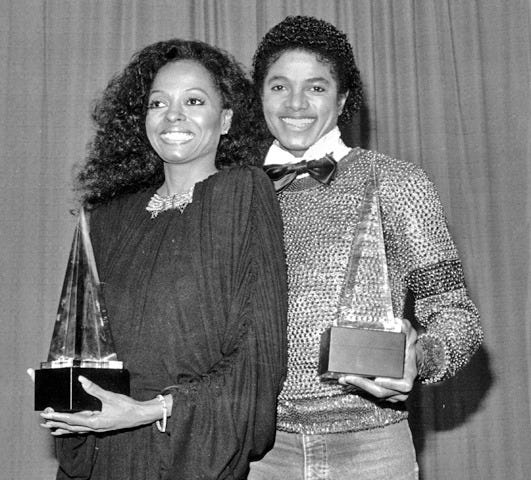
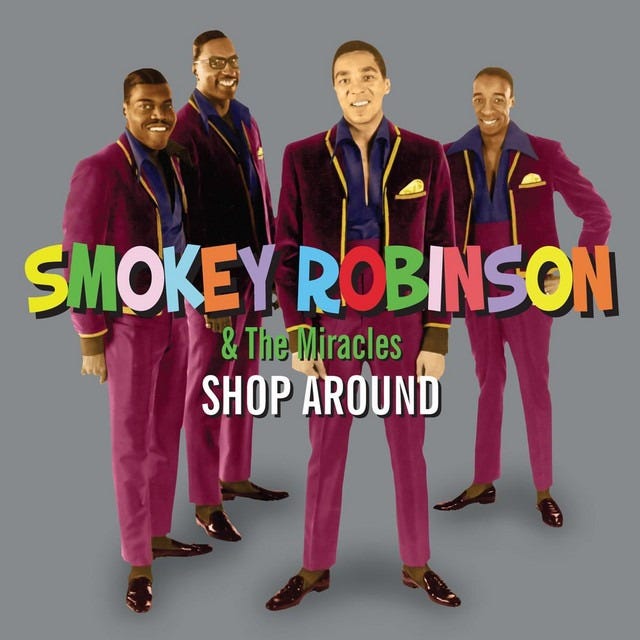
It’s 1960, and Smokey Robinson has a problem with the ladies. So he does what any budding rock & roll heartthrob might do — he asks his mother for advice.
“Mama told me, you better shop around,” he sings, his voice floating like a marshmallow cloud, light and sweet and impossibly pretty. Smokey’s mama warns not to give your heart to the first girl who catches your eye
And America loved it. “Shop Around” became Motown’s first million-selling record, carried by a 20-year-old Black man with a feminine face, soaring falsetto, and a romantic persona built as much around vulnerability as virility. His softness would define the sound of soul music.
None of this made Smokey Robinson queer. But it does complicate the way we remember the gender politics of Motown.
Actually, it wasn’t just Smokey Robinson. Motown’s biggest paydays rested on the delicate features and falsettos of the label’s other biggest stars — Michael Jackson and Diana Ross — who challenged expectations of gender long before that language existed in the mainstream. A teenage Michael Jackson paired an angelic voice with a vulnerability rarely afforded to young Black male performers. Diana Ross built a career on glamour so theatrical that she became one of popular music’s greatest gay icons.
In 1967, riots erupted in Detroit after a police raid on an unlicensed after-hours club, sparking one of the most devastating conflicts in American history. The violence, lasting five days and killing 43 people, exposed a deep divide between Black residents and law enforcement, Soon after, Motown founder Berry Gordy uprooted the company and moved to Los Angeles, where it was immersed in a city with an entertainment industry, nightlife, and growing queer communities that looked very different from the Detroit world where the label began.
That move produced one of the most unexpected records in Motown’s catalog. After Smokey Robinson left The Miracles, newcomer Billy Griffin became lead singer and one of its primary songwriters. While settling into Los Angeles, Griffin was fascinated by the city’s contradictions and wrote much of the album, City of Angels, around life in Hollywood. One track in particular stood out. Released in 1975, “Ain’t Nobody Straight in L.A.” could’ve been disregarded as a novelty record if the lyrics and sentiment weren’t so dang earnest. The song treated queer people with an ease almost unheard of in music, especially R&B. The lyrics casually acknowledge that “homosexuality is a part of society,” while the spoken ending follows a group of friends debating where to spend the evening. Someone points out that their destination is a gay bar. After hesitating, another voice shrugs: “Gay people are nice people too, man.” And they head inside.
Today, the dialogue’s almost quaint. In 1975, it was an insane concept.
This was The Miracles, one of Motown’s flagships, inviting mainstream audiences to see queer people as ordinary neighbors rather than threats or punchlines. At a moment when gay representation in popular music was exceedingly rare, the song depicts curiosity and acceptance as perfectly normal responses.
Ironically, the album that featured “Ain’t Nobody Straight in L.A.” also included the biggest hit of The Miracles’ entire 15-year career. Billy Griffin co-wrote “Love Machine,” a disco romp that sold millions of copies, reached No. 1 on the Billboard Hot 100, and turned City of Angels into a platinum album. One of Motown’s biggest commercial triumphs arrived on the same album that asked listeners to reconsider their assumptions about LGBTQ people.
The ripple effects of that continued.
In 1975, Smokey Robinson released the solo album, A Quiet Storm, a silky blend of soul, jazz, and romance that inspired an entirely new radio format. The following year, Howard University student and WHUR intern Melvin Lindsey launched a late-night program named The Quiet Storm, using Robinson’s song as the blueprint. The format spread rapidly across America and defined R&B radio for decades.
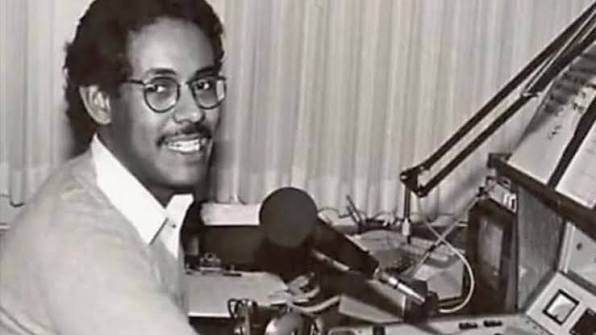
Years later, Lindsey publicly came out after being diagnosed with AIDS, becoming one of the few nationally known Black celebrities to do so during the height of the epidemic. He died in 1992, but the format he created remains one of the most influential in radio history. One of Motown’s most enduring musical legacies owes its existence to a pioneering gay broadcaster.
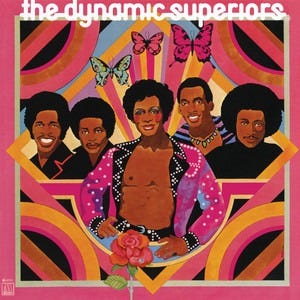
The very same year that The Miracles dabbled with the idea of seeing queer people as human, Motown signed a group with an out gay singer. The Dynamic Superiors were known for lush harmonies, soaring falsettos, and tight choreography. They might’ve stolen all the pages from The Miracles’ playbook, with one big, huge difference. Dynamic Superior lead singer Tony Washington was openly gay and often performed in makeup and women’s clothing.
On the cover of the 1975 debut album, the group is surrounded by butterflies. A cartoon illustration shows Washington in heavy eyeshadow and blush.
The sleeve of their second album, Pure Pleasures, features two hairy legs in a bubble bath, but the pair of hands resting on the legs are sporting red, painted nails. We’re left to assume it’s Washington.
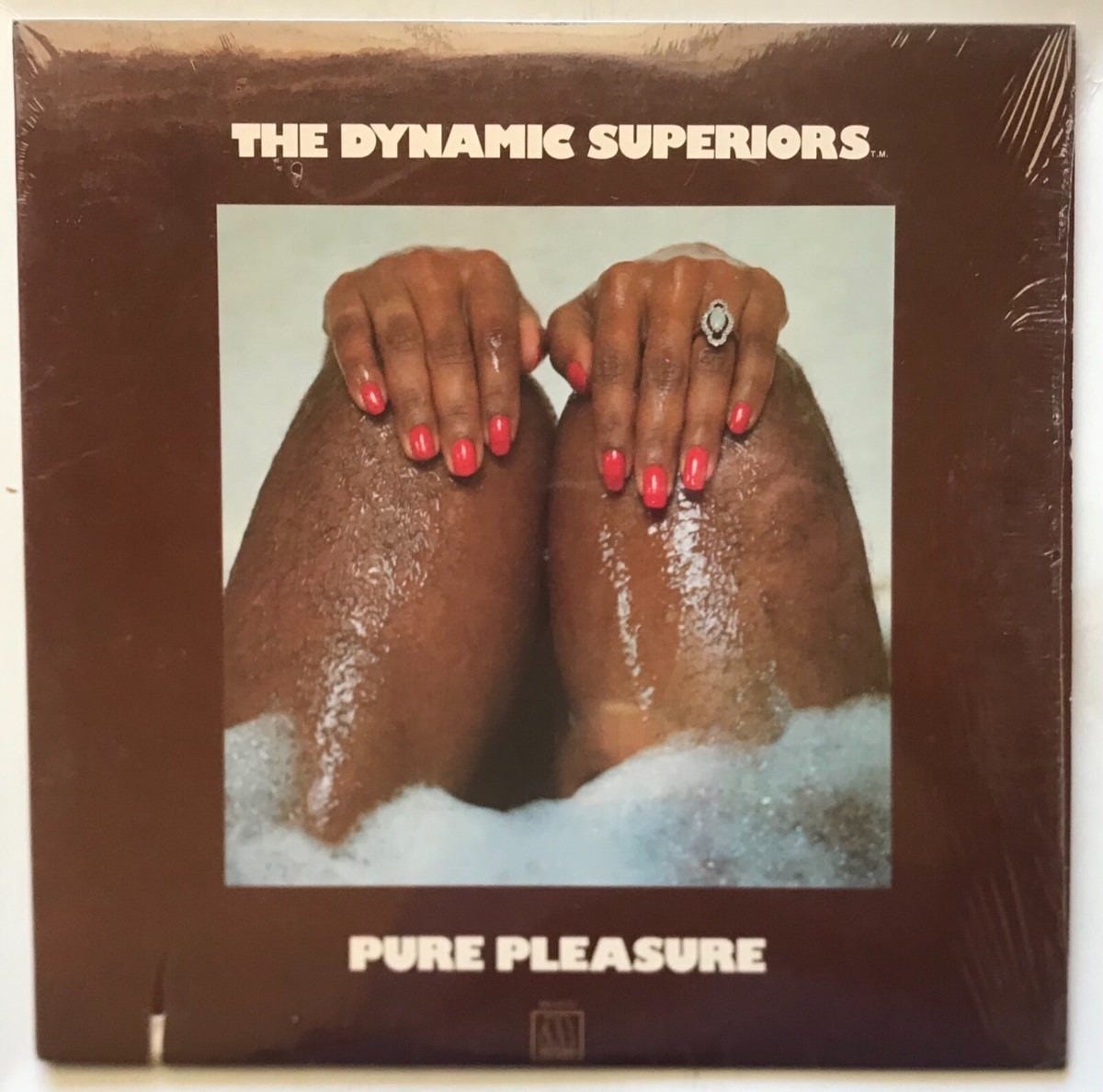
Motown paired the group with legendary writers and producers Nick Ashford and Valerie Simpson, whose sophisticated songwriting perfectly matched Washington’s soaring falsetto.
In the book Mighty Real: A History of LGBT Music from 1969-2000 by author Barry Walters, Valerie Simpson recalled seeing the group arrive in flamboyant pastel fur coats and immediately realizing they weren’t interested in blending in.
“The first time I saw the group walking down the street, I didn’t know what we had gotten ourselves into, because they all had on loud fur coats in pastel colors,” said Simpson. “I was like, ‘I don’t know WHAT this is, but whatever it is, I want to see it expressed. I think that’s what brings out the best performances. When people can find themselves, they’re singing their truths.”
The Dynamic Superiors’ debut single, “Shoe Shoe Shine,” became an R&B hit in 1975, introducing mainstream audiences to Washington’s flamboyant stage presence. During live performances, Washington often transformed Billy Paul’s classic “Me and Mrs. Jones” into “Me and Mr. Jones,” replacing the original affair with a same-sex romance.
This was all happening at a time when being out risked ending a career. For a brief moment, Motown gave queer expression room to exist inside one of America’s most successful Black-owned record companies. That moment didn’t last.
After four albums, the label dropped the group in 1980. Tony Washington died of AIDS-related illness in 1989. The Dynamic Superiors and their music might’ve been forgotten by history if not for a small Universal Music subsidiary, SoulMusic Records. The label finally reissued The Dynamic Superiors’ first two Motown albums, The Dynamic Superiors and Pure Pleasure, in 2010, reminding us there’s more to Motown.
The familiar tale of Motown celebrates immaculate songwriting, polished voices, and an even more polished image. Motown is giant names like Diana Ross, Michael Jackson, and Smokey Robinson.
But It’s also the story of Billy Griffin writing one of the first sympathetic songs about gay life recorded by a major R&B group. And the story of Smokey Robinson inspiring a radio format pioneered by a gay DJ. It’s the story of Tony Washington refusing to make himself smaller simply because the music industry wasn’t ready.
Time and again, Motown opened doors for artists and audiences to imagine a more inclusive version of American popular music. Sometimes intentionally. Sometimes almost by accident. Either way, Motown was gayer than we remember.
And let's not forget Carl Bean in 1977. Well written and researched Jami, as usual. Thanks for sharing
I can't think of any aspect of American creative art in any genre that wasn't written by queer influences. Take Little Richard there was a healthy subculture of clubs where Little Richard could play and where he was known and other artists as well. Just and look at all of the gay musicians in jazz Billy Strayhorn right from the very beginning right at the top. Jazz players were as open-minded about queer musicians as they were about white musicians ... Could the f***** play that's all that's all it ever was. Please keep telling the stories.